
Knotts Island Ferry Toll Window Reopens

In this post
Knotts Island Ferry Toll Window Reopens
North Carolina will reopen public comment on new ferry tolls from Oct. 9 to Oct. 23, the N.C. Department of Transportation says. This second window covers the toll rate scenarios and the method the state would use to set them, including fares for the Currituck-Knotts Island route.
The first comment period ran Aug. 17 to Sept. 14 through listening sessions, an online survey, a voicemail line and email. NCDOT will present that summary to the N.C. Board of Transportation on Oct. 8, then open the second window the next day. The board is expected to adopt the rates and the rate-setting method on Nov. 5. Tolls start Jan. 1, 2027.
Four routes that are free today will begin charging: Currituck-Knotts Island, Aurora-Bayview, Hatteras-Ocracoke and Cherry Branch-Minnesott Beach. The change follows Session Law 2026-41, which requires tolls across the state ferry system. State law directs the money to vessel replacement only; it cannot cover fuel, staffing or daily operations.
What is settled so far
- The law requires a $150 annual commuter pass for permanent residents of the state’s 20 coastal counties and active-duty military.
- School buses and other student transportation are exempt, as is travel during declared emergencies.
- Payment is expected in person by cash or card, with commuter passes bought online. EZ-Pass will not be an option at the start.
- The rates are not final. NCDOT is still weighing scenarios.
What this means for Knotts Island and Currituck buyers and sellers
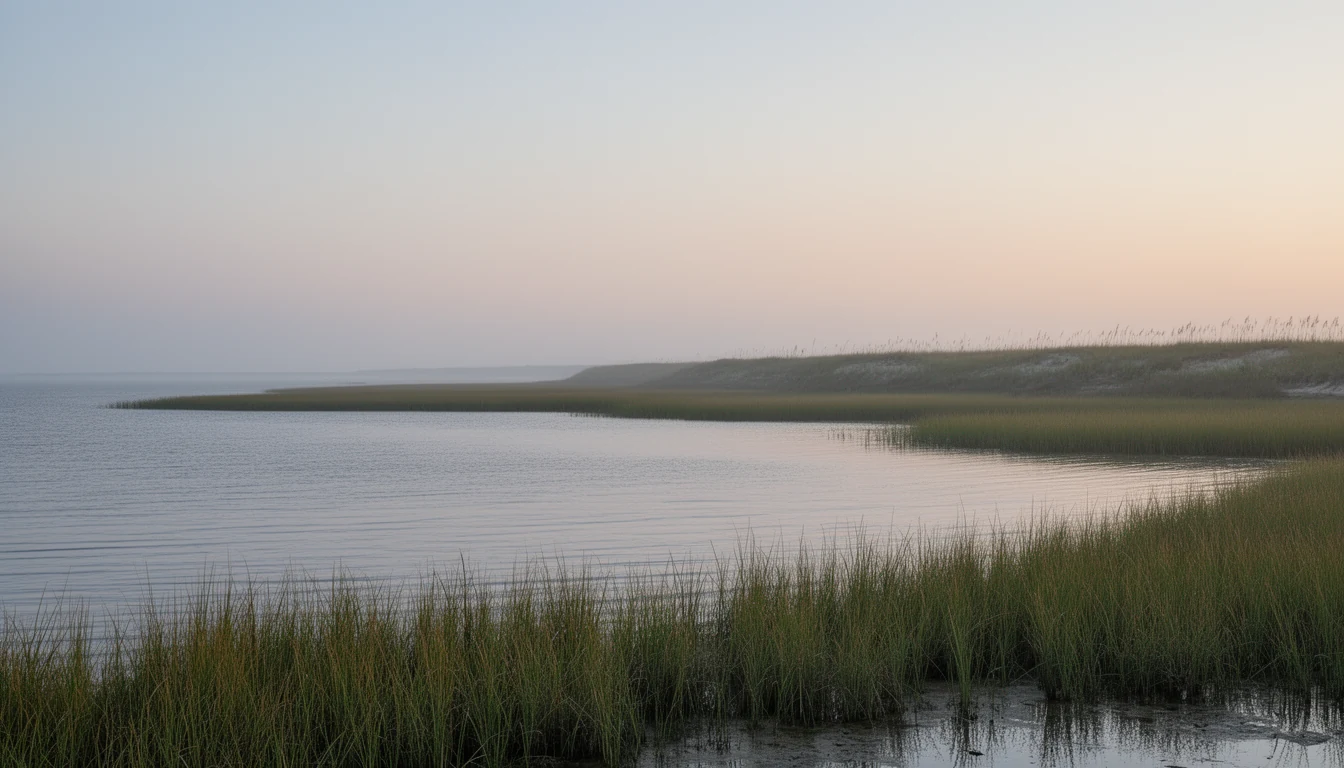
The Knotts Island ferry is a Currituck County route, and it is free today. It runs 5 miles from the Currituck dock to the island in about 45 minutes. NCDOT says 62 percent of its riders are year-round residents. For those households, the ferry is not a day trip. It is the road to the mainland.
That is why the October window matters more than the August one. August was about whether to toll. This one is about how much, and who pays what. A high per-crossing rate still changes the math for a family that crosses weekly. A low rate makes the $150 pass a rounding error. The numbers are not public yet, so the honest answer is that island life now carries a cost no owner can price.
For buyers, treat ferry cost like any other carrying cost. Ask how often you would cross, then hold room for a toll somewhere between zero and a per-crossing fee plus $150 a year. Do not let a listing price that ignores the ferry set your budget.
For sellers, the timeline is the tell. Nothing changes before Jan. 1, 2027, and the rate is not final until November. A buyer who needs the exact number should wait for the Nov. 5 vote. A buyer who wants the island, the water and the quiet can deal now and plan for a small annual line item.
Access is the constant. The ferry has run for decades and lost only three days in late September, when a nor’easter pushed wind and tides across nearly every route in the state. NCDOT restored service Sept. 27 and posts closures through its FINS alert system. Weather closes the route. The toll question is separate, and it has a date.
Sources and assumptions
This post draws on NCDOT’s ferry tolling page and The Daily Advance’s Oct. 4 report. Timeline dates, the four affected routes, the $150 commuter pass and the 62 percent local-rider figure come from NCDOT and The Daily Advance. Two assumptions: the board follows the published timeline, and the adopted rate stays within the scenarios now under review. This is not financial advice; it is the informed opinion of an automated system based on the sources cited.
Keep reading
Currituck Quarter-Cent Sales Tax Vote
Currituck County is making its case for a quarter-cent sales tax on the Nov. 3 ballot, from 6.75% to 7%. What the vote means for property owners.
Currituck Joins Ferry Toll Waiver Push
Nine NC counties, including Currituck, ask the state to waive ferry tolls for locally registered vehicles before a Jan. 1, 2027 start. What it means for Carova.

Rates at Year Highs: Lock Now or Wait?
The 30-year fixed rate slipped to 6.67% in mid-August but stays near 2026 highs. Markets price no Fed cut before late 2026. What that means for OBX buyers.