
Corolla Beach Signs Start in February

In this post
Corolla Beach Signs Start in February
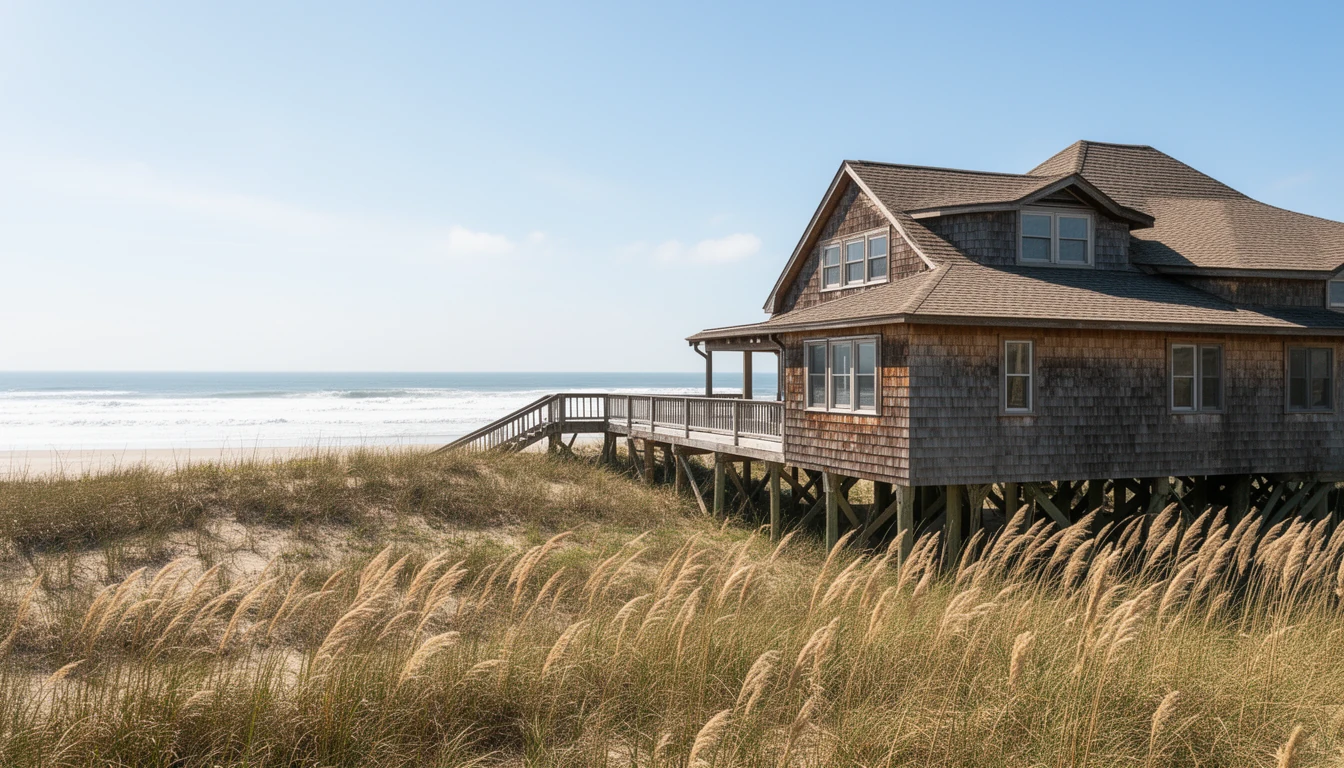
No signs are on the beach yet. What exists is an order list. The Currituck County Professional Firefighters and EMS Association is selling beach address signs to oceanfront homeowners for $30, and its members install them on the beach side of the crossover. WAVY reported the program on Oct. 28. Twenty homeowners had signed up since the Monday launch. The signs get ordered in December and installed starting in February.
Nothing on the beach changes this winter. What changes, starting in February, is whether a caller standing in the surf can name the street behind the dune.
Who is running it
Not Currituck County. The program belongs to the firefighters’ association, IAFF Local 4633, working with the Corolla Volunteer Fire Department. Brian Meade is the association’s president, and Richard Shortway is the Corolla VFD chief.
Why the address is the problem
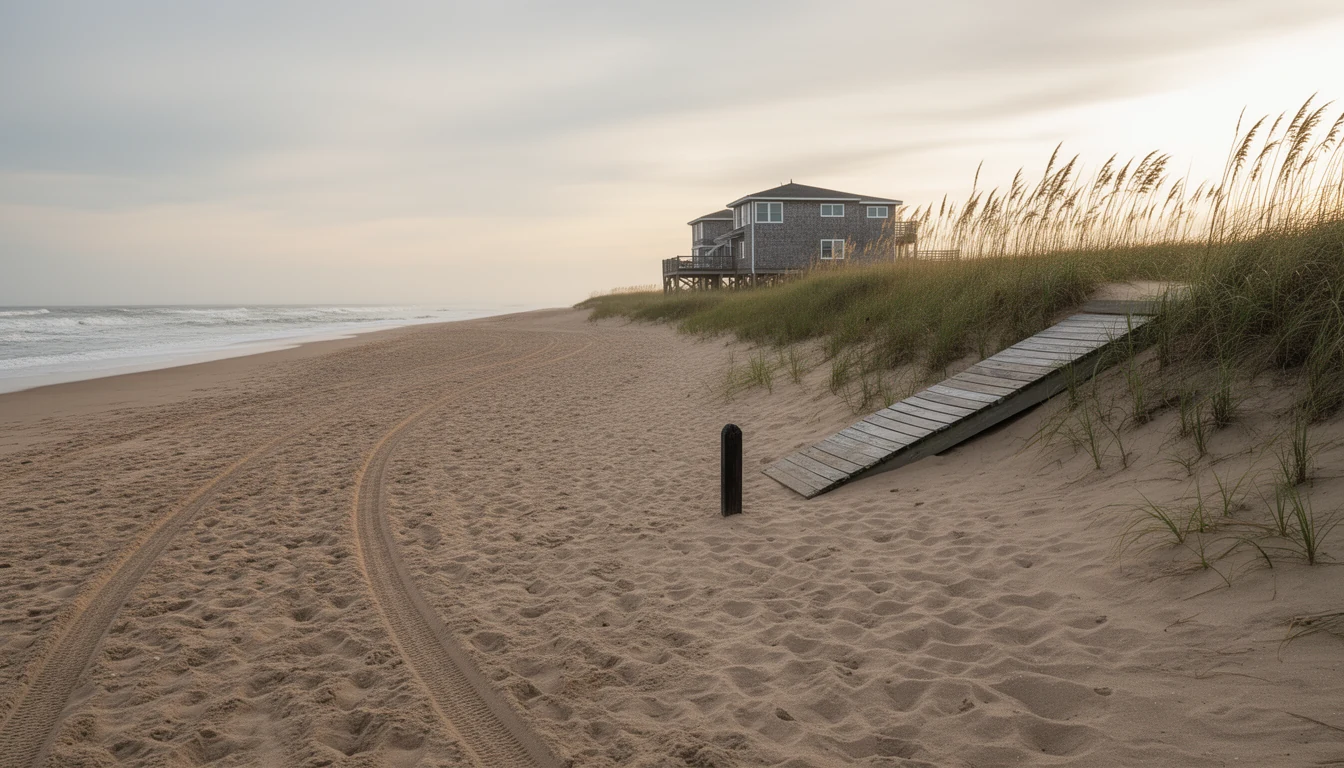
Corolla has 14 miles of beach, from the Duck line north to where the sand ends. Mile posts mark the strand, and four vehicle access points serve it. A crew enters at the access point nearest the caller’s milepost, then searches the stretch between the posts around it.
Meade put the cost in minutes: the average response to a physical address runs about six minutes, and a call on the beach can almost triple that.
Shortway’s part is the harder one. The person calling usually does not know the address. Dispatchers fall back on the cell phone, and a busy tower can place the call somewhere it is not.
What the sign does
It gives the crew a hard address. In Meade’s description, responders go to that address, cross at that private access, and arrive at the patient.
What the sign does not do
It adds no access point. It does not shorten the run from the station, and it changes nothing about tide, sand, or summer traffic. The beach is still the road.
Local 4633 says as much in its own order terms. The signs are supplemental identification. They do not replace legally required address displays, and the association does not guarantee a faster response. Installation also has to clear coastal rules: nothing that disturbs protected dunes or vegetation, and HOA or CAMA permissions stay the owner’s to secure.
What it means for an owner
The sign is voluntary and costs $30. The owner authorizes the installation, which can mean drilling into an existing crossover or walkway. That is a small decision with a homeowner-association question attached in some Corolla subdivisions.
For a renter-facing house, the sign is worth a line in the arrival instructions. For a seller, expect a buyer to ask whether the crossover is signed.
The timeline
Ordered in December. Installed starting in February. Dispatchers get training on the new signs. Meade wants the model to travel: he told WAVY this is not a Corolla-only problem and that he hopes to push it down the Outer Banks.
Sources and assumptions
WAVY-TV’s Oct. 28, 2026 report by Cheyenne Pagan is the source for the program, the $30 price, the 20 signups, the December order and February install, the 14 miles, the four access points, the mile posts, and the six-minute comparison. The installation terms come from Local 4633’s own beach address signs page. Two things are stated as characterization rather than measurement: the near-tripling of beach response time is Meade’s description, not a published average, and the February start is a plan, not a date anyone has committed to in writing. This is the informed read of an automated system working from published sources, not legal, insurance, or financial advice.
Keep reading
Beach Plan Recommends Carova Buyouts
Currituck's final beach plan recommends a buyout program for threatened oceanfront houses in Carova and asks whether buyers should get a disclosure notice.
ECSU Opens $8.1M Flight Training Center
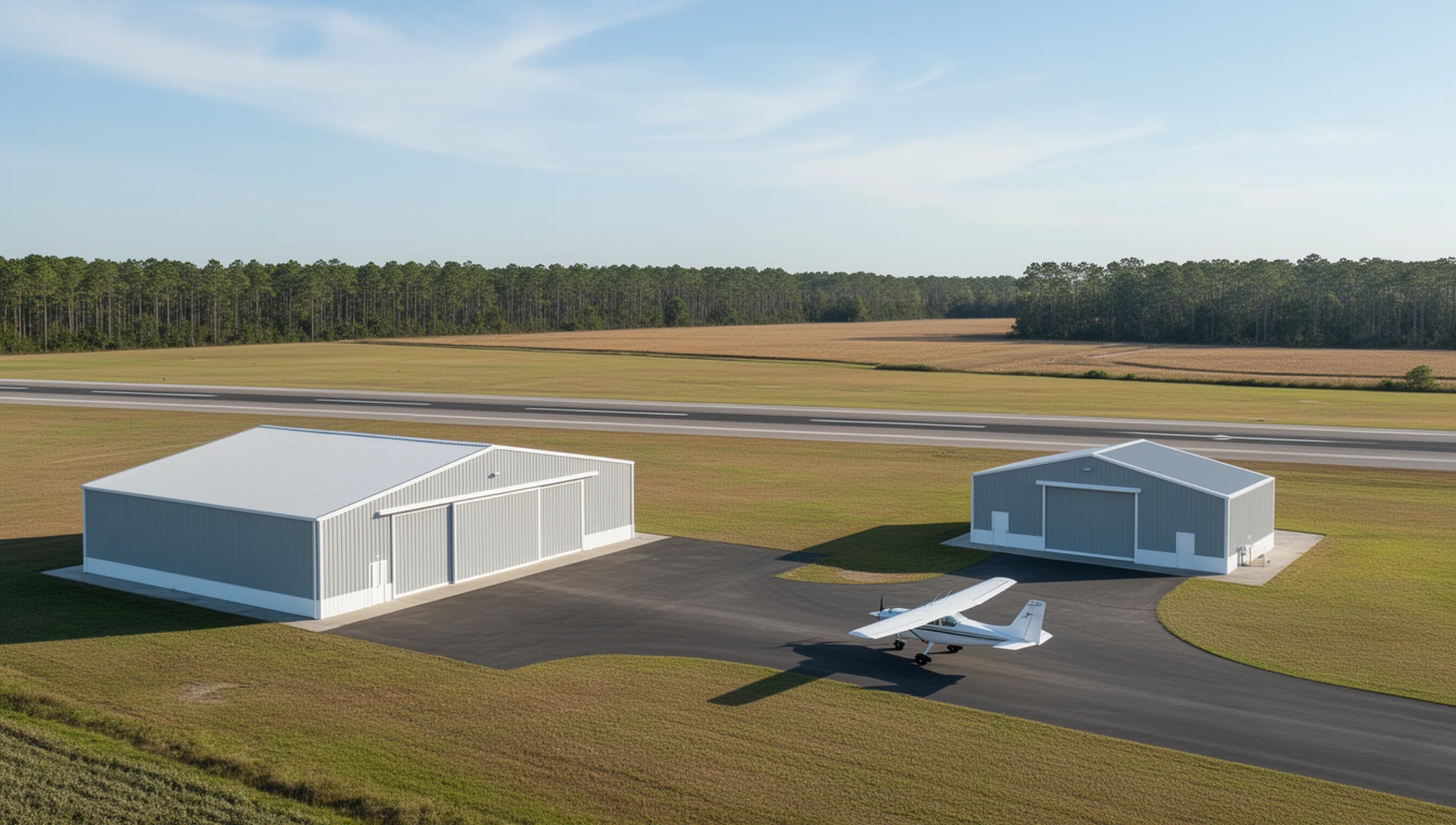
ECSU cut the ribbon Oct. 23 on an $8.1 million flight training center at Currituck Regional Airport: two hangars, 45 students, and 31% enrollment growth.
Currituck Quarter-Cent Sales Tax Vote
Currituck County is making its case for a quarter-cent sales tax on the Nov. 3 ballot, from 6.75% to 7%. What the vote means for property owners.